Creating a routine wasn’t something I thought much about in the early days of adulthood. I’m not someone who thrives on strict structure. Having spent my formative years in a boarding school, I know all too well what it feels like to follow a rigid schedule—and that’s not something I wanted to bring into my adult life. Still, I’m naturally organized and structured, so I didn’t throw out the idea of routines altogether. I simply wanted a life that left room for flexibility and spontaneous changes of plans.
The Freestyle Days: Just the Two of Us
When it was just my husband and I, we lived quite freely. Our apartment was right across from the local mercado, so our meal planning was as simple as a casual chat the night before. The next morning, one of us would head over to buy fresh ingredients. If a dish called for something special, we’d make a weekend trip to the Asian store.
Sure, there were things we did regularly—changing the bedsheets every few weeks, washing towels once a week—but nothing was set in stone. If we missed a chore here or there, it wasn’t the end of the world. Life was relaxed, and we liked it that way.
When Routine Found Us: Life with a Baby
Everything shifted after our daughter was born.
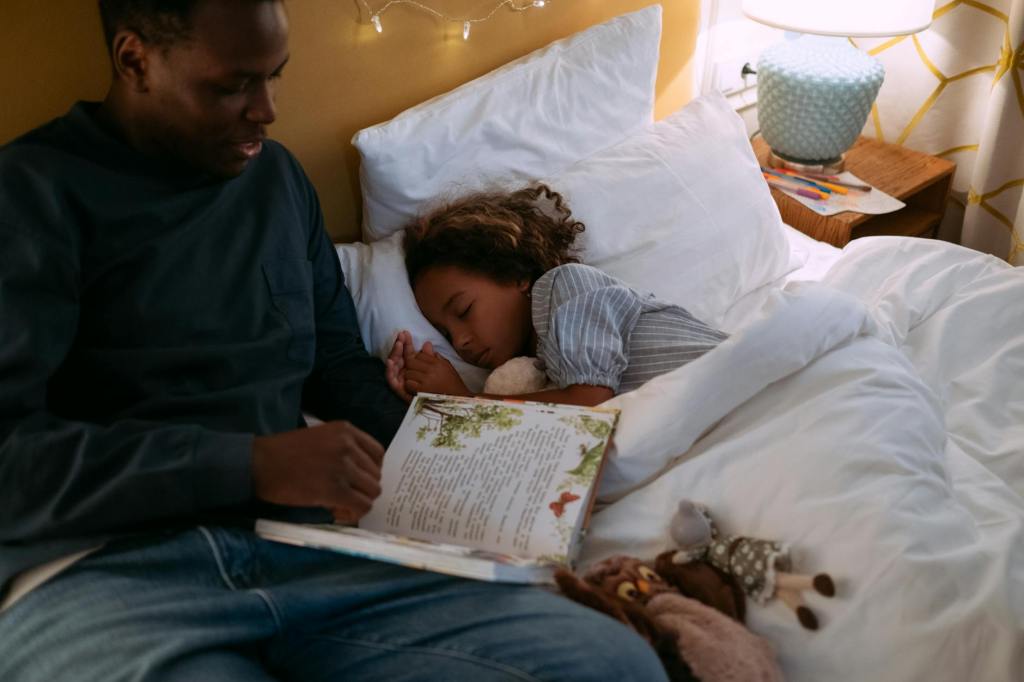
We kept hearing that babies thrive with routines, especially at bedtime. So, we started a small habit of reading a book to her every night—something we had begun even during my pregnancy. That simple gesture grew into a routine we’ve kept ever since. I believe this helped her adapt easily, even when we had to stay in Airbnb rentals for my work. No matter the place, that nighttime story created a sense of stability.
Routines That Flow, Not Constrain
Despite starting a family, I’ve never returned to rigid routines. Instead, we follow an outline that gives our days structure without becoming too fixed. For example, we always eat dinner together—though the time may vary. Bedtime might include a book, or it might turn into a wild dance party or a pillow fight. Weekend brunch is made with whatever’s left in the fridge.
These small, flexible rituals are the things that matter to our daughter right now. They make our home feel grounded—without forcing a strict routine.
Our House Rules Matter More
In our family, values shape our days more than any schedule. We have simple rules: respect each other. That means we don’t force our daughter to finish food she genuinely doesn’t want, as long as she gives it a fair try. We use magic words like “please” and “thank you” when asking for help. These small things make our home a kind, respectful place.
Routine Isn’t Just About Schedules—It’s About Readiness
Moving countries multiple times means we don’t always have help or familiarity. We’ve had to learn how to be independent and adaptable. One of the first things I look for in a new country is good health insurance. In Indonesia, my job provided private insurance, which gave me peace of mind. After I got married, I realized that wasn’t a given. My husband’s job didn’t include private insurance, so we decided to pay out of pocket—especially important when we were planning to have our daughter.
Then came another lesson in readiness: transportation during emergencies.
The Emergency That Changed Our Priorities
When our daughter had a high fever late one night in Indonesia, we couldn’t get a taxi for over 30 minutes. Those were the longest 30 minutes of our lives. That experience made it painfully clear that we needed our own car. We dug into our savings, bought one, and got our driving licenses.
In Spain, things are trickier. We’re still waiting for the process to get our licenses, and it’s taking longer than expected. We have our bikes, and most places are close—but emergencies don’t wait for convenience.
Just two weeks ago, our daughter had another high fever on a Sunday night. We were lucky enough to get a taxi to the nearest public hospital, but the treatment was poor. That was our turning point. We are currently registering her for private insurance. We want to ensure she has access to better care in the future.
Being Prepared: Mentally, Logistically, Financially
We’ve learned that you can’t prepare for everything, but you can control how you respond.
Financially, we always keep an emergency fund ready. Mentally, we train ourselves to stay calm in crisis—especially when it comes to our daughter. Logistically, we stock quick medicines, easy food, and have all our important documents ready.
One of the more recent examples was a nationwide blackout in Spain. We couldn’t predict it, but we were lucky to have just enough cash to buy some bread and survive those six hours with simple sandwiches.
Uprooting your life again and again doesn’t always allow for a perfect, consistent routine. But through these transitions, I’ve learned that routines don’t have to be rigid. They can be flexible, value-based, and rooted in what matters most to your family. The routines we create today may look different tomorrow—but they keep us grounded, no matter where we are in the world.
 Busy Bustle
Leave a comment