When my daughter first started eating solids, I dove headfirst into the world of baby meal prep. I tested batch recipes, blended proteins and veggies into carefully balanced meals, and made sure everything was homemade. I even measured her cheese intake, mindful of the sodium limits for toddlers. I was determined to do everything “right.”
But reality hit quickly.
Despite all my efforts, the food I prepped often went untouched. Like many kids, my daughter would suddenly decide she no longer liked something—sometimes after just one meal. There were weeks when I made three different pasta sauces, only for her to stick with one. All that effort and care began to feel less like nurturing and more like chasing a moving target. What started as an act of love slowly turned into a cycle of stress.
Letting Go of Perfection
Over time, I came to a realization—especially as I was juggling life in different countries, adjusting to new routines, cultures, and time zones. The “perfect” meal plan I was striving for? It didn’t exist. And honestly, that realization felt freeing.
Meal planning is often held up as the secret to organized family life, a symbol of having it all together. But I began to ask myself: is it really helping me, or just adding pressure? That’s when I gave myself permission to let go and redefine what “enough” looks like for our family.
Finding Our Own Rhythm
Instead of strict plans, I built simple, flexible routines that actually work for us.
Now, our fridge holds just a few reliable staples. I keep frozen spinach sauce on hand for a quick pasta dish my daughter loves. Leftover rice becomes fried rice, tossed with whatever veggies or proteins we have. Some days we make a nourishing soup; other days, it’s oven-toasted pan de pagès turned into garlic bread (please, no judgment!).
The difference? I no longer chase daily perfection. I aim for overall peace, connection, and balance through the week.
Growing Together Around the Table
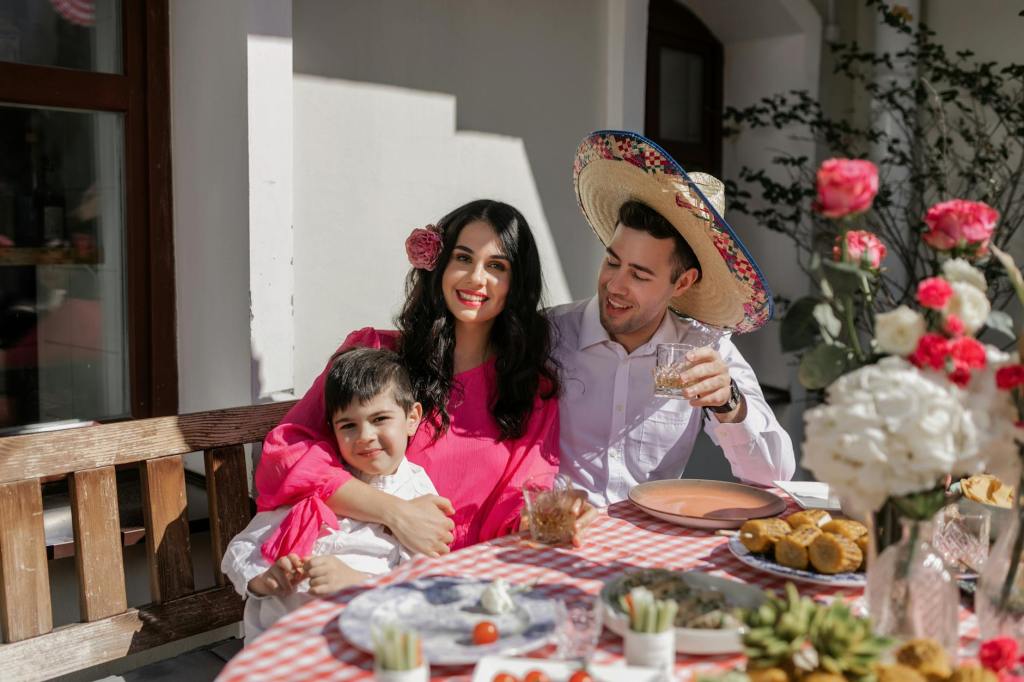
As my daughter grows, so do our mealtime dynamics. She now eats lunch at school, but we keep Fridays sacred for a family lunch—our little way to reconnect. I ask her what she’d like, and I would prepare it. Sometimes on slow evenings we end up in the kitchen together, making her favorite steamed buns (bakpao) from scratch. It’s less about checking off a nutrition checklist and more about being present, listening, and sharing.
Food as a Love Language
In our family, food isn’t just fuel—it’s love in action.
I prepare lunchboxes for my husband when he needs to go to the office. He surprises me with my favorite spicy fried rice—extra MSG, just the way I like it—on nights when I’ve had a rough day. Even our daughter, noticing when I haven’t eaten, will offer me Nutella on sliced bread with a proud little smile.
These small, thoughtful gestures matter more than any perfectly curated meal plan ever could.
What I’ve Learned
- Meal plans are tools—not rules. They should support you, not stress you out.
- Batch cooking isn’t for everyone, and that’s perfectly fine.
- A nourishing week doesn’t mean everything has to be homemade.
- Feeding a family is about rhythm, grace, and flexibility—not control.
So no, I don’t have a perfect meal plan anymore. But I do have something better: a peaceful kitchen, warm food most days, and the space to connect with the people I love. And for me, that’s more than enough.
 Busy Bustle
Leave a comment